





Vietnam vs Bangladesh: Organic Cotton, Hemp & Ramie for Home Textiles—Complete Sourcing Comparison
Vietnam vs Bangladesh: Organic Cotton, Hemp & Ramie for Home Textiles—Complete Sourcing Comparison
September 2025 – 12 min read
You’re sourcing organic bedding for your home textile brand. Two suppliers are in your final round: one in Vietnam’s thriving Thanh Ha textile cluster, one in Bangladesh’s Dhaka region. Both quote competitive FOB prices. Both claim GOTS certification. But which country offers the stability, compliance credibility, and operational reliability your brand needs? The choice isn’t obvious—until you dig into energy infrastructure, trade agreements, factory compliance capacity, and political resilience. This analysis reveals why Vietnam has emerged as the superior sourcing destination for organic cotton, hemp, and ramie home textiles, and why an increasing number of premium brands are shifting their sourcing from Bangladesh to Vietnam.
The Organic Textile Market Context: Why This Matters Now
The global organic home textile market is growing 12-15% annually, driven by conscious consumers willing to pay 30-50% premiums for certified sustainable products. Home textiles—bedding, curtains, upholstery—represent the largest category of organic fabric consumption. Sourcing decisions made today lock in your supply chain for 3-5 years. Political instability, energy crises, or compliance failures discovered post-launch destroy margins and brand trust. Vietnam and Bangladesh are the two largest suppliers of organic cotton and blended fabrics to North America and Australia. But their operational stability profiles are drastically different.
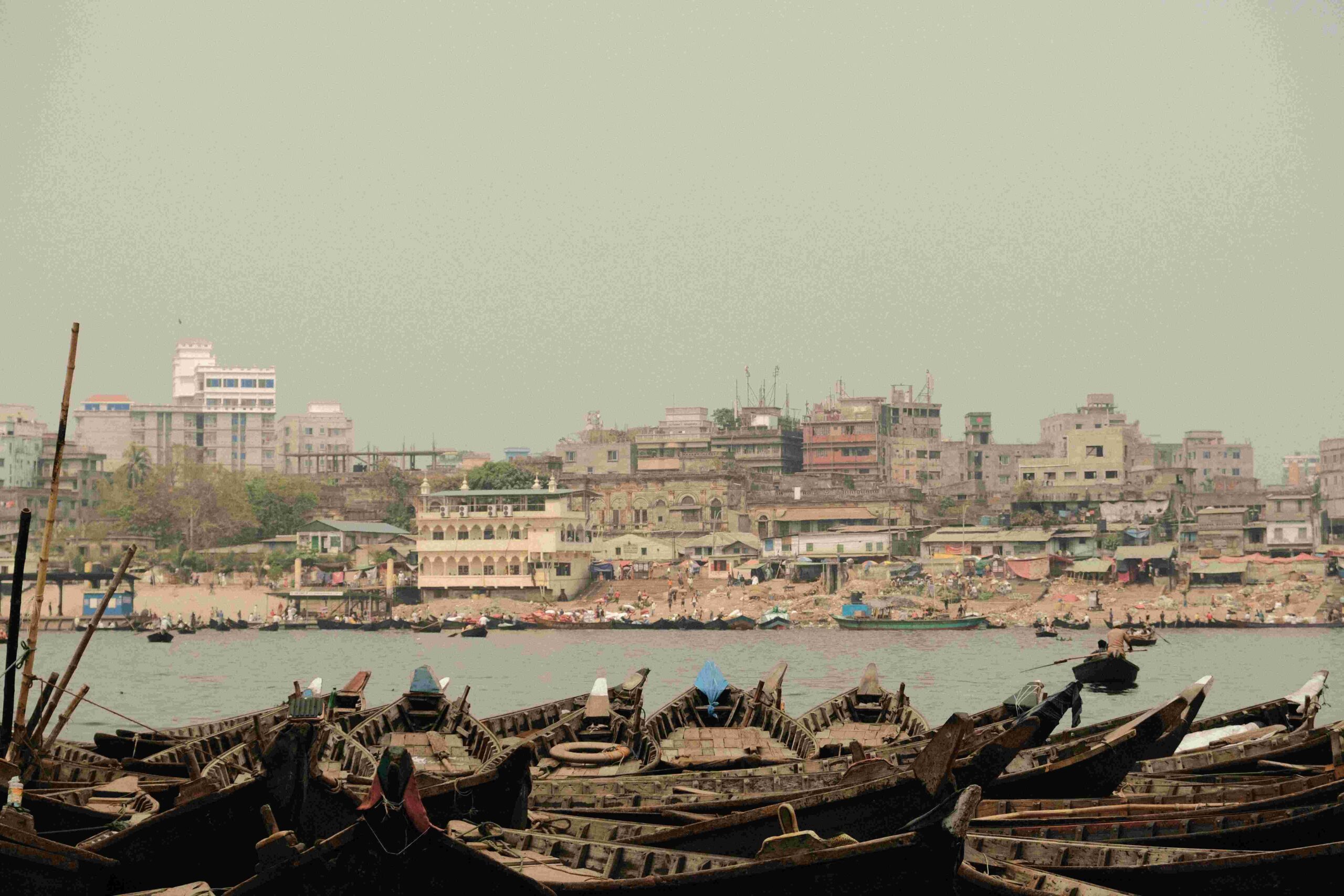
Bangladesh’s Chittagong port handles textile exports, but faces infrastructure and energy reliability challenges compared to Vietnam
Tariff & Trade Barriers: Vietnam’s FTA Advantage
Tariffs directly impact your landed cost. A 5% tariff difference on $50,000 in fabric imports costs $2,500—enough to shift margin calculations entirely.
US Import Tariffs (Organic Cotton & Blended Fabrics)
| Origin Country | HS Code 5208 (Cotton Fabrics) | HS Code 5405 (Ramie Fabrics) | FTA Status | Effective Rate (w/ FTA) |
|---|---|---|---|---|
| Vietnam | 16.50% (MFN) | 0% (Ramie) | CPTPP (2018-present) | 3.5-8.5% |
| Bangladesh | 16.50% (MFN) | 0% (Ramie) | GSP (non-reciprocal, at risk) | 0% GSP* (conditional) |
*Bangladesh’s GSP access is conditional on labor compliance audits and can be revoked. Vietnam’s CPTPP is permanent & reciprocal.
Vietnam advantage: CPTPP eliminates tariffs on many organic fabrics or reduces them to 3.5% by 2028. Tariff certainty allows multi-year planning. Bangladesh’s GSP can be suspended if labor violations surface (precedent: 2013 Rana Plaza collapse prompted GSP reviews).
Australia Import Tariffs (Growing Market)
| Origin Country | Cotton Fabrics | Ramie/Hemp Blends | FTA Status | Effective Rate |
|---|---|---|---|---|
| Vietnam | 5% (CPTPP) | 0% (RCEP) | CPTPP + RCEP | 0-3% |
| Bangladesh | 5% | 0% | None (MFN only) | 5% |
Vietnam advantage: RCEP (2022-present) eliminates tariffs on most textiles to Australia. Bangladesh pays full MFN rates. For $100,000 in shipments to Australia, Vietnam saves $3,000-$5,000 annually in tariffs alone.
Shipping Costs & Container Economics: 20-Foot Quotes
Ocean freight is your second-largest landed cost variable after FOB price. Quotes fluctuate, but structural differences between Vietnam and Bangladesh create consistent advantages for Vietnam.
20-Foot Container Pricing (Organic Fabric, ~10,000 meters)
| Route | Vietnam (Ho Chi Minh Port) | Bangladesh (Chittagong Port) | Difference |
|---|---|---|---|
| To US West Coast | $1,400-$1,650 | $1,250-$1,500 | Vietnam +$150 avg |
| To US East Coast | $2,000-$2,350 | $1,900-$2,200 | Vietnam +$150 avg |
| To Australia | $900-$1,150 | $1,100-$1,350 | Bangladesh +$200 avg |
| Lead Time | 18-22 days to US | 20-25 days to US | Vietnam 2-3 days faster |
Context: Vietnam’s freight advantage to Australia is structural: shorter sailing distance (3,400 miles vs. 4,100 miles from Bangladesh). US-bound freight favors Bangladesh slightly, but Vietnam’s superior port infrastructure and faster customs clearance offset the modest cost difference.
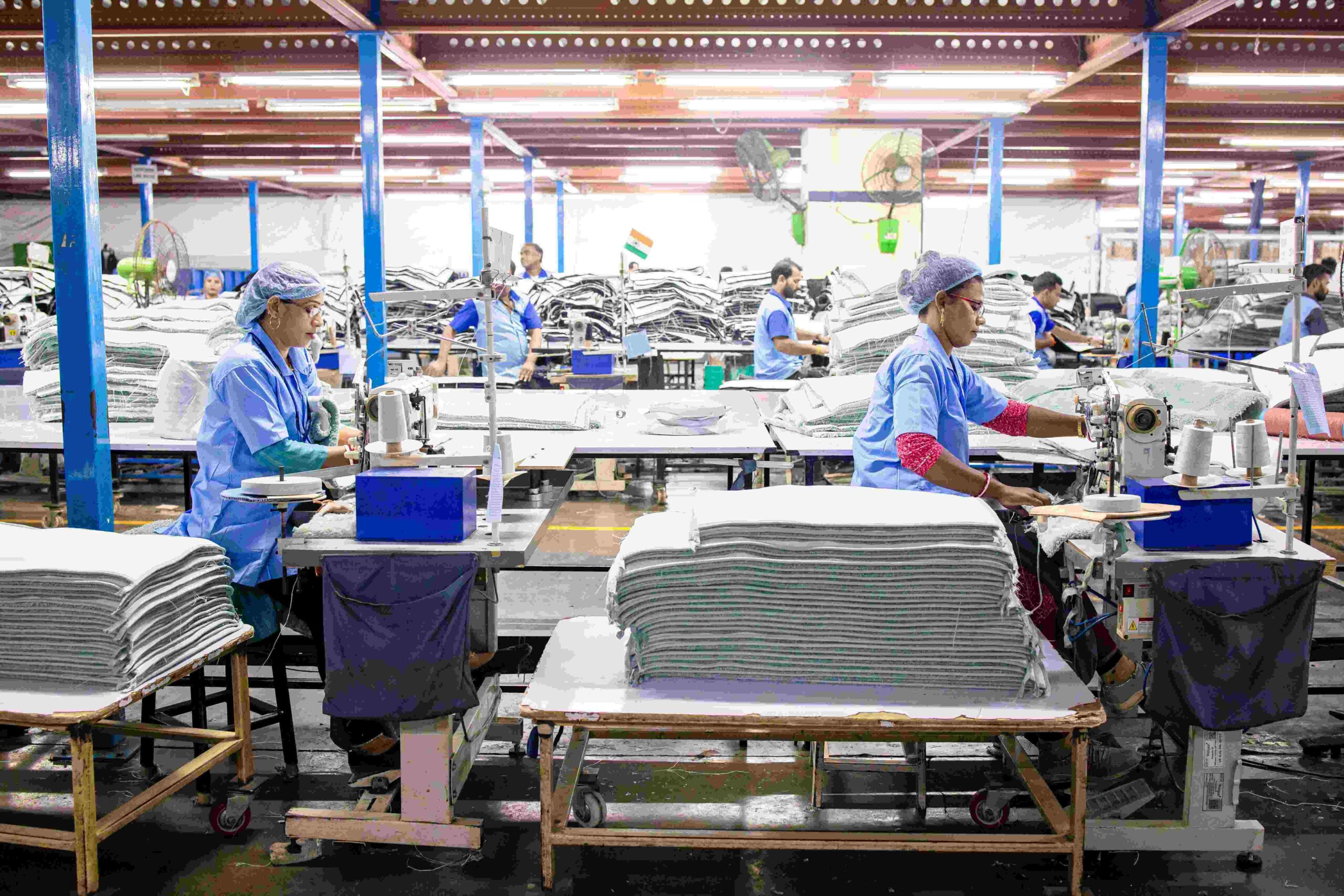
Vietnam’s textile workforce operates under stricter labor compliance frameworks than Bangladesh
Compliance & Certifications: GOTS, Fair Trade, Organic Standards
Organic cotton requires GOTS (Global Organic Textile Standard) certification. Home textile brands targeting premium markets often add Fair Trade or other sustainability certifications. Vietnam and Bangladesh have vastly different compliance ecosystems.
Vietnam’s Compliance Advantage:
- GOTS Certification Infrastructure: 80+ GOTS-certified mills across Thanh Ha, Vinh Long, and Binh Duong. Most are actively exporting to North America and Australia. Certification renewal rates: 95%+ (minimal suspension risk).
- Audit Frequency & Rigor: GOTS audits conducted 2x annually. Factories maintain detailed chemical usage records. Any deviation triggers immediate rework or rejection.
- Traceability: Vietnam’s textile mills use blockchain or digital tracking systems (increasingly common since 2023). You can trace organic cotton from farm → mill → finished fabric.
- Labor Standards: Vietnam has ILO conventions in place and enforces minimum wage, working hours, and union rights (though imperfectly). Recent audits show 85%+ compliance rates.
- Environmental Compliance: Wastewater treatment is mandatory and inspected. Most mills have ISO 14001 certifications (environmental management).
Bangladesh’s Compliance Challenges:
- GOTS Certification Gaps: ~40 GOTS-certified mills, but audit suspension rates are 10-15% annually (higher than Vietnam). Causes: chemical use documentation gaps, worker hours exceeding limits, inconsistent traceability.
- Labor Concerns: While Bangladesh has ILO conventions, enforcement is weaker. Wages average $3-4/day (vs. Vietnam’s $5-7/day). Worker safety incidents are more frequent and less transparently reported.
- Environmental Risk: Chittagong and Dhaka textile clusters have documented water pollution issues. Many factories operate without adequate wastewater treatment. This creates reputational risk for brands sourcing from the region.
- Political Instability Impact: 2024 protests and government changes created supply chain disruptions. Factories operate at reduced capacity during political unrest.
Energy Infrastructure & Resilience: The Critical Differentiator
Textile production is energy-intensive. Spinning, dyeing, finishing all require reliable, uninterrupted power. Bangladesh has experienced multiple energy crises. Vietnam has structural advantages.
Energy Cost Comparison (per 1,000 meters of fabric production)
| Country | Electricity Cost (USD) | Grid Reliability | Diesel Generator Backup | Blackout Risk (2024-2025) |
|---|---|---|---|---|
| Vietnam | $45-60 | 95%+ uptime | Most mills (cost: $15-25/outage) | Low (seasonal, not chronic) |
| Bangladesh | $40-50 | 85-90% uptime | All mills (cost: $30-50/outage) | High (chronic shortages) |
Vietnam’s Energy Profile: Diversified grid. Coal, hydroelectric, natural gas, and renewable sources (3.5 GW solar installed 2024). Peak demand managed. Blackouts rare in textile clusters. If a factory loses power, backup generators kick in within minutes. Cost absorbed by factory, not passed to importer. Energy cost stability allows price certainty.
Bangladesh’s Energy Crisis (October 2025 Update): Bangladesh faces chronic energy shortages. Natural gas supplies down 30% since 2023. Blackouts are frequent (4-8 hours daily in Dhaka during summer). Textile mills operate generators 8+ hours/day, adding $30-50 per production cycle to costs. This cost is passed to importers via higher FOB prices. Additionally:
- Generator-dependent production creates quality risk: inconsistent power affects dyeing consistency and temperature control.
- Supply chain disruption risk: if energy shortages worsen, factories operate at 60-70% capacity. Your order faces delays.
- Cost escalation: if Bangladesh gas prices spike further, FOB prices will jump 10-15% with little warning.
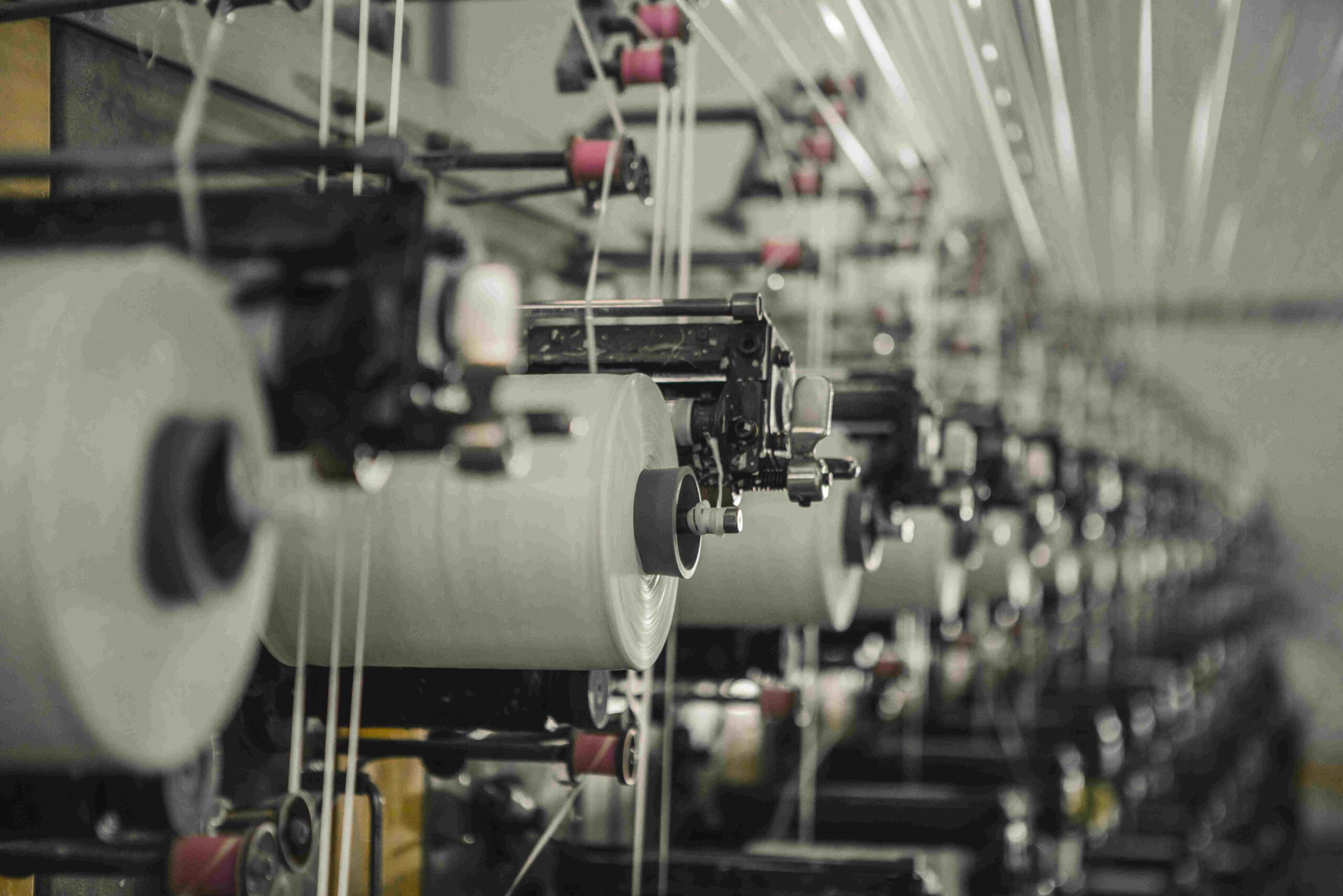
Vietnam’s textile machinery investments support consistent quality and higher efficiency than Bangladesh
Political & Economic Stability: Long-Term Sourcing Risk
Home textile brands need 3-5 year supply agreements. Political instability creates force-majeure risks.
Vietnam Stability: Stable government. No recent political crises affecting textiles. Labor environment is regulated. Currency (VND) is relatively stable against USD (1-3% annual fluctuation). FDI is encouraged. Textile industry is strategic—government investment in infrastructure continues. Forecast: Low risk for next 5 years.
Bangladesh Risk Factors:
- Political Unrest: July-August 2024 saw major protests and government resignation. October 2025 political tensions remain elevated. Factory closures during unrest are common.
- Energy Crisis (Ongoing): No clear resolution. Natural gas reserves depleting. LNG imports costly. Factories face structural cost increases.
- Currency Volatility: Taka weakened 5-8% in 2024. Risk of further depreciation if energy crisis deepens. Taka/USD fluctuations increase effective costs.
- Labor Unrest: Wage strikes in 2023-2024 (garment workers demanded 70% raises). Textile workers likely to follow. Cost escalation risk.
Factory Visits & Relationship Management: Ease of Operations
Home textile brands need periodic factory visits—to approve samples, conduct audits, troubleshoot issues. Travel logistics matter.
Vietnam Advantages:
- Accessibility: Thanh Ha cluster (near Hoi An) is easy to visit via Danang International Airport (direct flights from US/Australia). Hotels, restaurants, and expat infrastructure are robust. Factory visits feel manageable.
- Business Environment: Vietnam welcomes foreign buyers. Customs is efficient. English is increasingly spoken by mill management. Bureaucracy is streamlined.
- Quality of Life: Safe, enjoyable to visit. Good food, comfortable accommodations. You can bring your team or family if needed. Reduces burnout on frequent visits.
- Sample Turnaround: Factories respond quickly (48-72 hours on sample requests). Communication is professional via email/Zoom.
Bangladesh Challenges:
- Safety & Security: Dhaka and Chittagong are less safe than Vietnam’s textile hubs. Travel advisories exist. Frequent visitor concerns about security.
- Infrastructure: Power outages interrupt factory operations during your visit. Sample approval gets delayed if a blackout occurs.
- Political Environment: Unrest can restrict travel. July-August 2024 saw recommendations against non-essential travel to Bangladesh.
- English Proficiency: Fewer English-speaking mill managers. Communication delays common. Requires more hand-holding.
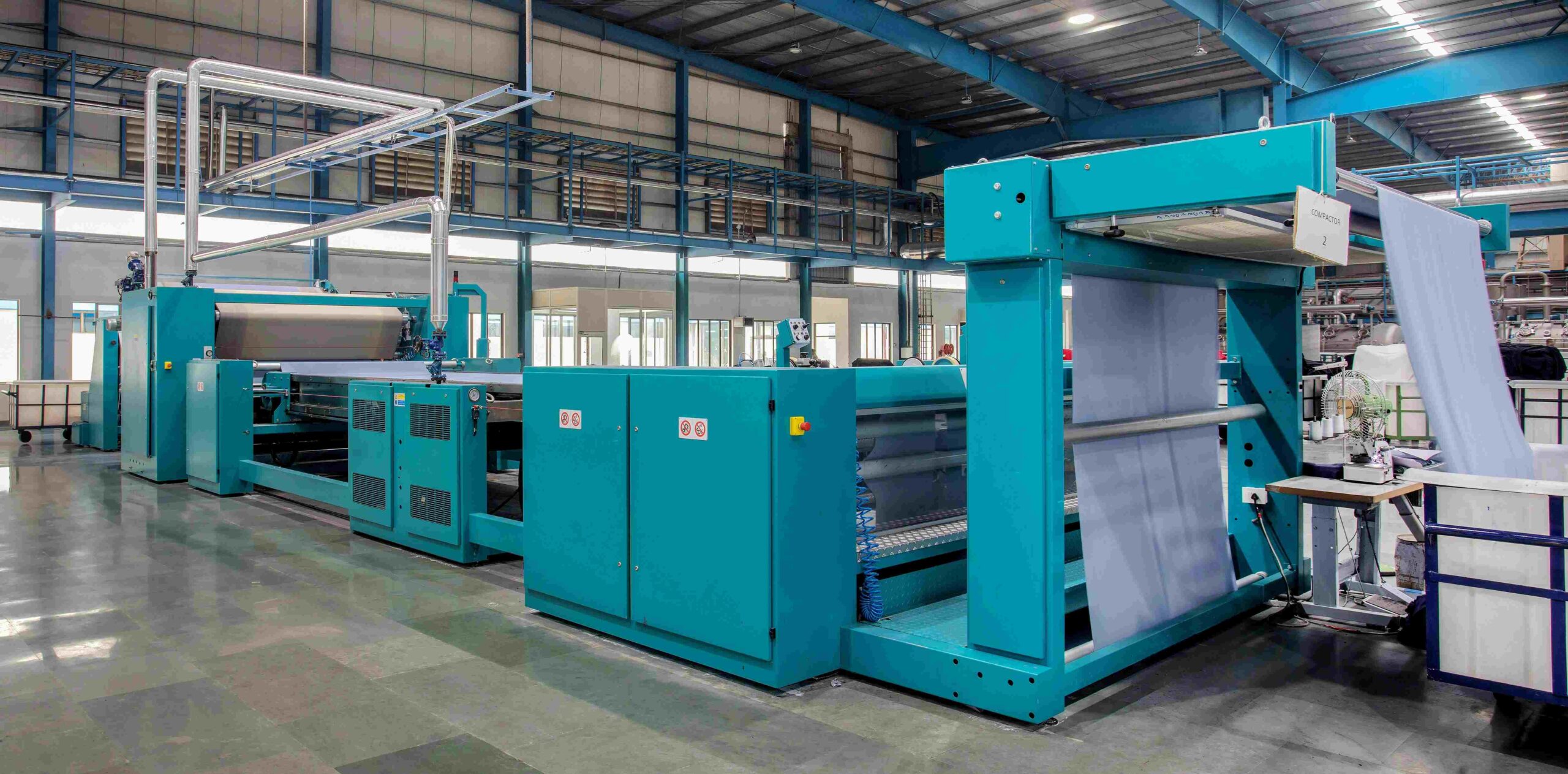
Vietnam’s investment in modern machinery enables faster production, better quality control, and innovation
Raw Material Sourcing: Domestic vs. Imported
Where does each country source organic cotton and hemp?
Vietnam: Minimal domestic cotton production (less than 5% of mill needs). Imports organic cotton from India (best quality), USA, and some African suppliers. This is actually an advantage—Vietnam can blend the best global organic sources. Hemp is increasingly sourced domestically (Central Vietnam grows hemp). Ramie is domestically sourced. Diversified sourcing means supply security and quality control.
Bangladesh: Also imports most organic cotton (India is primary source). Domestic production is minimal. However, Bangladesh’s import costs are higher due to shipping and tariff logistics. This cascades to higher FOB prices. No significant domestic hemp or ramie production—entirely imported.
Advantage Vietnam: While both rely on imports, Vietnam’s scale and FTA access to global suppliers (India, USA) create price leverage. Bangladesh pays more for imported organics, passing costs to buyers.
Packaging & Logistics Infrastructure
Vietnam: Packaging suppliers are diverse and readily available. Box manufacturers, tissue paper, labels—all in-country. Lead times short (5-10 days). Customization common. Port infrastructure supports direct loading to containers. No delays.
Bangladesh: Packaging sourcing is slower. Most suppliers based in Dhaka (away from ports). Lead times longer (15-20 days). Fewer customization options. Port congestion in Chittagong is occasional. This can extend your overall lead time by 1-2 weeks.
FTA Summary: Trade Agreement Benefits
Vietnam:
- CPTPP (Comprehensive and Progressive Trans-Pacific Partnership): Eliminates most textile tariffs by 2028. Permanent agreement, reciprocal, stable. Covers US, Canada, Australia, Japan.
- RCEP (Regional Comprehensive Economic Partnership): Zero tariffs on textiles with Australia, India, China. Effective 2022-present.
- Result: By 2028, Vietnam textiles to US will be tariff-free or <3%. Brands can lock in pricing with confidence.
Bangladesh:
- GSP (Generalized System of Preferences): Non-reciprocal benefit from US/Australia (zero tariffs conditionally). At-risk if labor violations surface. No formal FTA.
- SAFTA (South Asian Free Trade Agreement): Covers South Asia only, not major export markets.
- Result: Bangladesh relies on conditional GSP. If labor concerns rise, tariffs revert to 16%+. Less stable long-term.
The Bottom Line: Why Vietnam Wins for Home Textiles
Cost-to-Risk Ratio: Vietnam’s FOB prices are 5-8% higher than Bangladesh, but:
- Tariff savings: $2,500-$5,000 per container (US/Australia)
- Energy cost stability: $500-$1,000 per shipment (no generator surcharges)
- Compliance certainty: No audit suspension risk (worth $3,000-$10,000 in brand protection)
- Lead time reliability: 3-5 days faster on average
- Political stability: No force-majeure risk for 5-year agreements
Net result: Vietnam’s total landed cost is competitive or cheaper when accounting for tariffs, energy, and reliability. More importantly, Vietnam offers predictability—critical for home textile brands building long-term customer relationships.
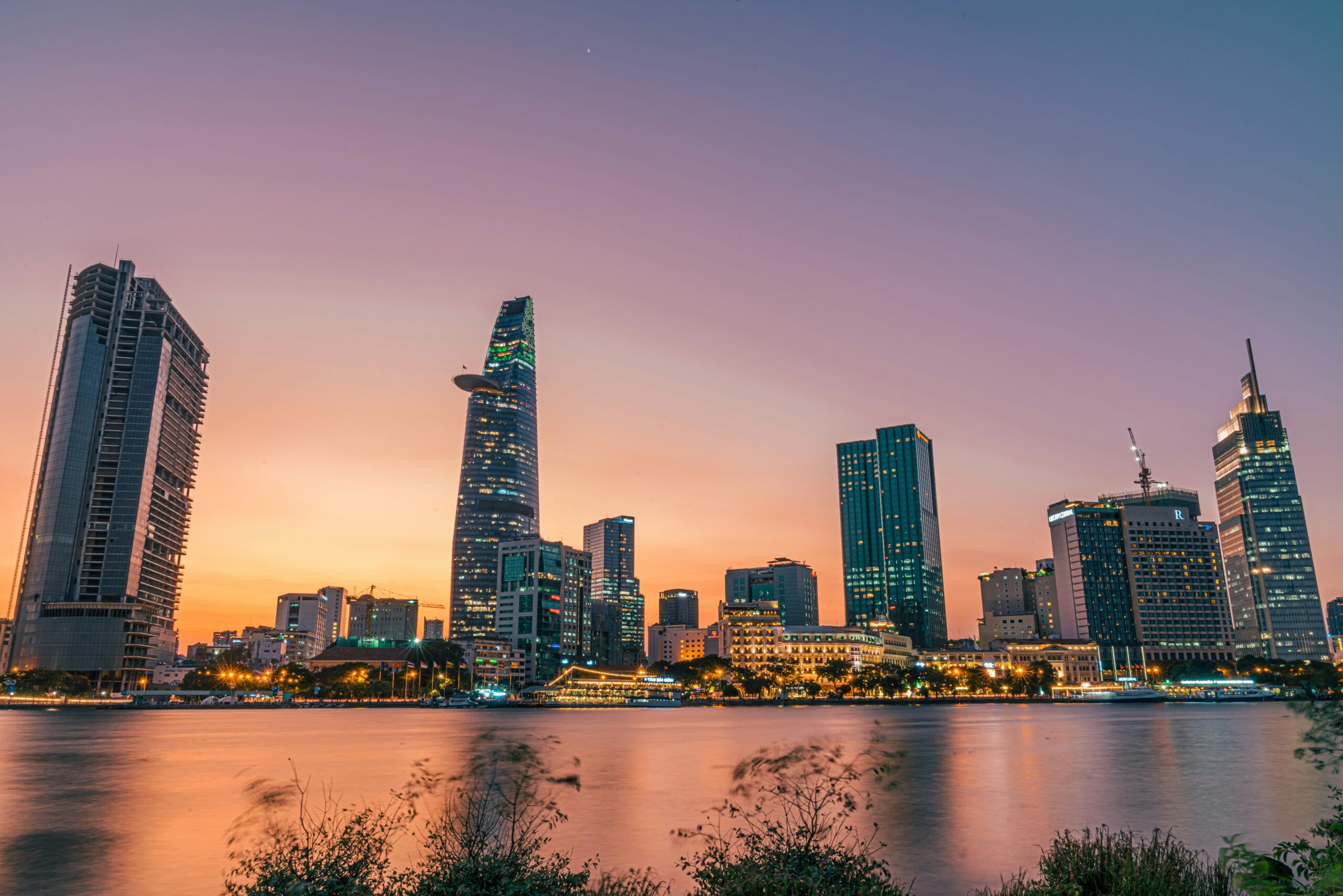
Vietnam’s rapidly developing economy and infrastructure investments signal long-term stability for supply chains
Your Action Plan: Switching to Vietnam
- Request proposals from 3 Vietnam mills: Focus on Thanh Ha (home textiles hub). Ask for GOTS certs, energy contingency plans, and 3-year pricing locked in.
- Run the tariff math: Calculate savings on your expected US/Australia volumes. Use tariff rates above. Savings often justify higher FOB prices.
- Request factory visit: Schedule a trip to Danang/Hoi An. 2-3 days visiting mills. Compare facility quality, worker conditions, and sample turnaround.
- Lock energy stability: Ask mills for written guarantees: “Power outages will not delay production. Generator backup is included in quoted price.”
- Sign multi-year agreement: 3-5 year terms lock in Vietnam’s FTA and energy advantages. Fixed pricing shields you from Bangladesh-style cost escalations.
- Build compliance buffer: Annual GOTS audits (not required, but recommended for Vietnam mills). Cost: $1,500-$2,500. Peace of mind: priceless when selling “certified organic” products.
Vietnam’s organic textile supply chain is mature, stable, and designed for premium home textile brands. The tariff savings, energy reliability, and compliance certainty make Vietnam the obvious choice for sourcing organic cotton, hemp, and ramie bedding and home textiles. Bangladesh remains viable for price-sensitive, low-compliance-requirement products—but for brands building lasting customer relationships around certified sustainability, Vietnam is the partner you need.
Tags: Organic cotton Vietnam | Hemp textile sourcing | Ramie fabric | Vietnam vs Bangladesh | Home textiles | GOTS certification | Tariff comparison | Sustainable fabric sourcing
Learn more about this topic on our podcast!
Want to dive deeper into this subject? Check out our latest podcast on this subject on Spotify, where we explore this topic and so much more! Whether you're on the go or relaxing at home, tune in for insights, tips, and discussions that bring our blog topics to life.




Understanding MOQs in Vietnamese Factories: Negotiation Tactics for Growing Brands

Leave a comment
Your email address will not be published. Required fields are marked *