




Shipping from Vietnam 101: Navigating Northern, Central & Southern Ports and FOB Terms
Shipping from Vietnam 101: Navigating Northern, Central & Southern Ports and FOB Terms
October 2025 – 13 min read
You’ve finalized your first order with a Vietnamese factory: 5,000 units of organic cotton bedding. You negotiate the FOB price: $2.50 per unit. You calculate your landed cost, build your margin model, and launch pre-orders. Then reality hits. Your freight forwarder sends an invoice: shipping is $4,200, customs brokerage is $800, port fees are $600. Your landed cost just jumped 30%. The factory was in a central region; you didn’t realize that factory-to-port distance adds 5-7 days and significant costs. You didn’t understand FOB terms—you assumed “FOB” meant everything was handled. Now you’re scrambling. This guide prevents that scenario. It explains the three major Vietnamese port regions, how factory location impacts shipping costs and timelines, the critical difference between FOB and EXW terms, and exactly what to budget for your first shipment so there are no surprises.
Why Shipping Logistics Matter: The Hidden Cost Problem
Most importers focus on FOB price negotiation and miss the bigger picture: shipped cost. A factory 200 kilometers from the nearest port costs you $1,500-$2,000 in trucking, demurrage, and time delays. A factory 20 kilometers away costs $300-$500. That difference can be 10-20% of your total landed cost. Additionally, shipping terms (FOB vs. EXW) determine who pays for what—and many importers sign agreements without understanding these terms, leading to surprise invoices and payment disputes. This guide walks you through both factors so you make informed sourcing decisions.
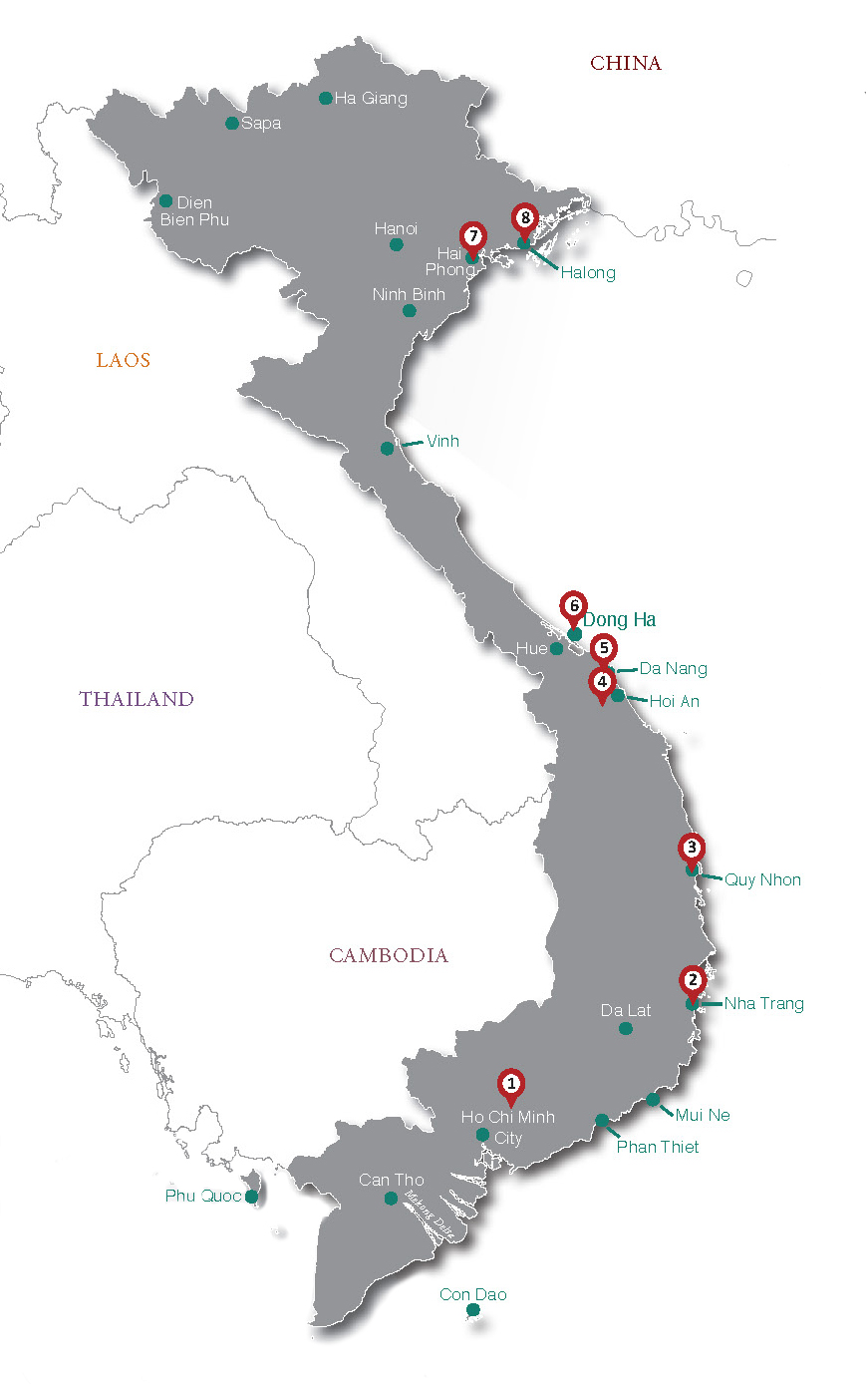
Vietnam’s three major port regions: Northern (Haiphong), Central (Da Nang), and Southern (Ho Chi Minh City). Each serves different factory clusters with different cost and logistics profiles.
FOB vs. EXW: Understanding Your Shipping Terms (Critical First Step)
Before discussing ports, you must understand shipping terms. Most importers confuse FOB and EXW, leading to cost surprises.
EXW (Ex Works): Buyer Responsible for Everything
Definition: The factory delivers goods to your arranged location (usually factory warehouse). You pay for ALL transportation, insurance, customs, and handling from that point forward.
Who pays what:
- Factory loading into truck: YOU
- Truck to port: YOU
- Port handling/documentation: YOU
- Ocean freight: YOU
- Customs clearance: YOU
- Insurance: YOU
- Delivery to your warehouse: YOU
Advantage: Lower factory FOB price (often 5-10% cheaper than FOB). You control logistics and can shop for the cheapest freight forwarder.
Disadvantage: You assume ALL risk. If the shipment is damaged in transit, the factory has zero liability. You must arrange everything—logistics, insurance, customs—adding complexity. Factories in EXW agreements often prioritize FOB customers, so your order may face delays.
Cost example: Factory FOB price $2.50/unit (EXW) vs. $2.75/unit (FOB). On 5,000 units, that’s $1,250 savings on FOB price. But you pay $1,500 trucking, $800 customs, $600 port fees = $2,900 additional costs. Net result: EXW is actually MORE expensive if you’re not managing logistics professionally.
FOB (Free on Board): Factory Handles Domestic Shipping to Port
Definition: The factory arranges and pays for all costs to get the goods loaded onto a ship at a specified port. You pay for ocean freight and everything after that (insurance, customs, delivery).
Who pays what:
- Factory loading/packaging: FACTORY
- Truck to port: FACTORY
- Port handling/documentation: FACTORY
- Ocean freight: YOU
- Customs clearance: YOU
- Insurance: YOU (usually)
- Delivery to your warehouse: YOU
Advantage: Factory assumes responsibility for goods until they’re on the ship. If damage occurs during trucking or port handling, the factory is liable. You only manage ocean freight and downstream logistics. Simpler, lower-risk arrangement.
Disadvantage: Higher factory FOB price. Factory includes domestic shipping costs in their price, so you pay more upfront. You have less control over which freight forwarder handles the shipment (factory may use their preferred vendor).
Cost example: Factory FOB $2.75/unit (includes domestic shipping to port). You pay only ocean freight ($1,400 for 20ft) + customs ($800) = $2,200 additional. Factory FOB price advantage: You know exactly what you’re paying. No surprises.
FOB and EXW are just two of the standard shipping terms used in international trade. See Navigating Trade Terms with Vietnam: Incoterms Guide for how they fit alongside CIF, DDP, and the rest of the Incoterms framework.
The Three Port Regions: Geography, Costs & Lead Times
Vietnam has three major port clusters. Each serves different factory regions, with distinct shipping costs and timelines.
Northern Region: Haiphong Port
Location: Haiphong, ~120 km northeast of Hanoi. Serves factories in Northern Vietnam (textiles, garments, electronics).
Factory-to-Port Distance: 100-400 km depending on factory location. Average: 250 km.
Domestic Trucking Cost (FOB): $400-$800 per 20ft container (approximately $40-$80 per 1,000 kg).
Port Efficiency: Modern port, but smaller capacity than Ho Chi Minh City. Congestion is occasional but manageable. Average turnaround: 2-3 days from truck arrival to ship loading.
Ocean Freight (20ft Container):
- To US West Coast: $1,600-$1,900
- To US East Coast: $2,200-$2,500
- To Australia: $1,200-$1,500
Lead Time (Factory to Departure): 25-30 days from order confirmation to ship departure (includes 15-20 day production + 5-10 day trucking/port).
Best for: Textile, apparel, and electronics importers sourcing from Northern Vietnam. Haiphong is ideal if your factory is near Hanoi or Red River Delta regions.
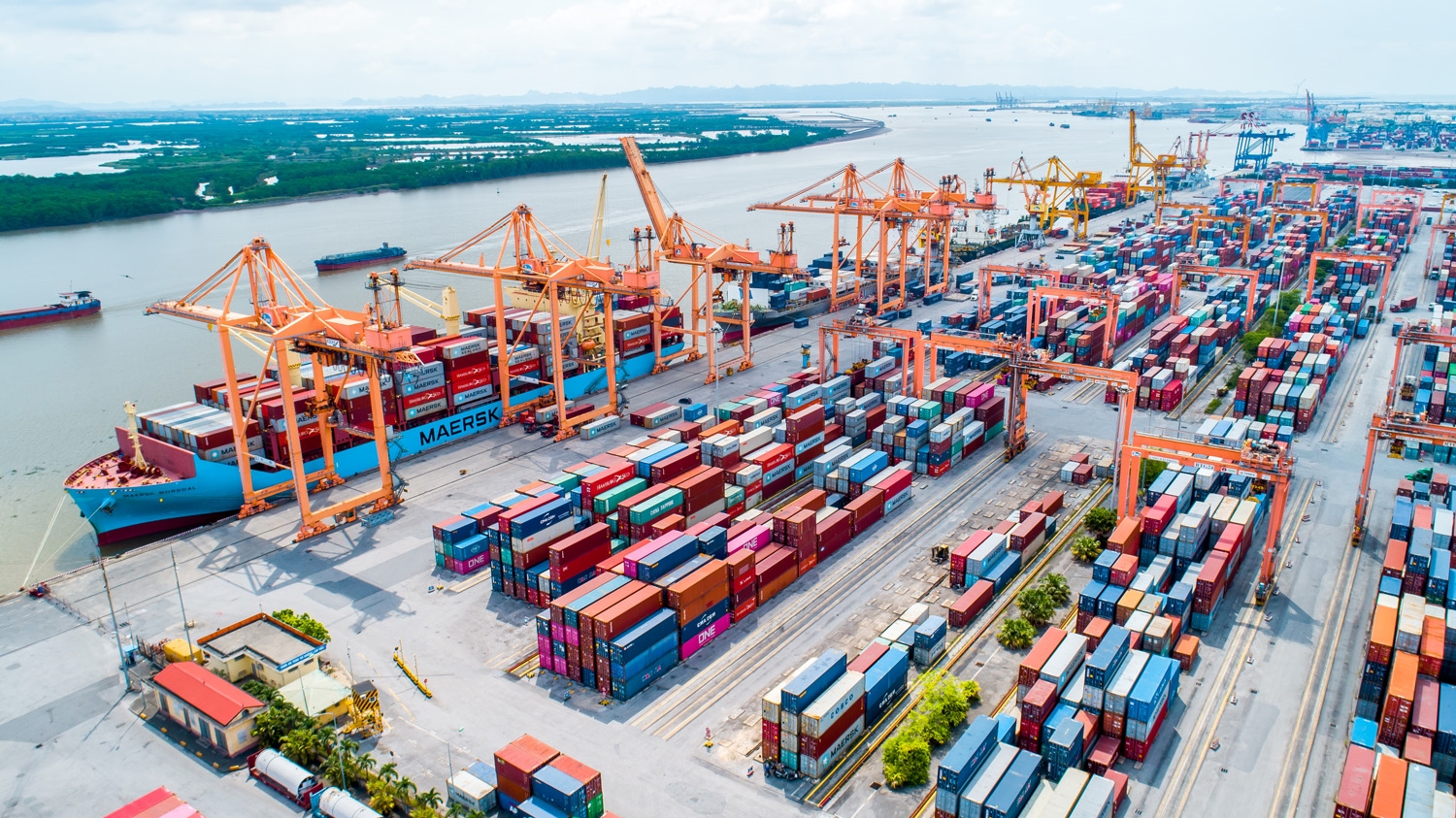
Haiphong Port: Modern infrastructure serving Northern Vietnam’s textile and manufacturing clusters. Smaller than Ho Chi Minh City, but efficient and less congested.
Central Region: Da Nang Port
Location: Da Nang, Central Vietnam. Serves factories in Quang Nam, Thanh Ha (textile hub), Hoi An region.
Factory-to-Port Distance: 50-150 km depending on factory. Average: 90 km (shortest of the three regions).
Domestic Trucking Cost (FOB): $200-$500 per 20ft container (lowest of three regions because distances are shorter).
Port Efficiency: Smaller port than Ho Chi Minh City, but specialized in textiles/home goods. Very efficient for organic fabric and bedding shipments. Average turnaround: 2-3 days.
Ocean Freight (20ft Container):
- To US West Coast: $1,400-$1,650
- To US East Coast: $2,000-$2,300
- To Australia: $900-$1,150
Lead Time (Factory to Departure): 23-28 days from order confirmation to ship departure (shorter trucking time than other regions).
Best for: Organic cotton, hemp, ramie, and home textile importers. Da Nang is the sweet spot: low trucking costs, excellent port efficiency for textiles, and competitive ocean freight rates (especially to Australia). The Thanh Ha textile cluster is minutes away from the port.
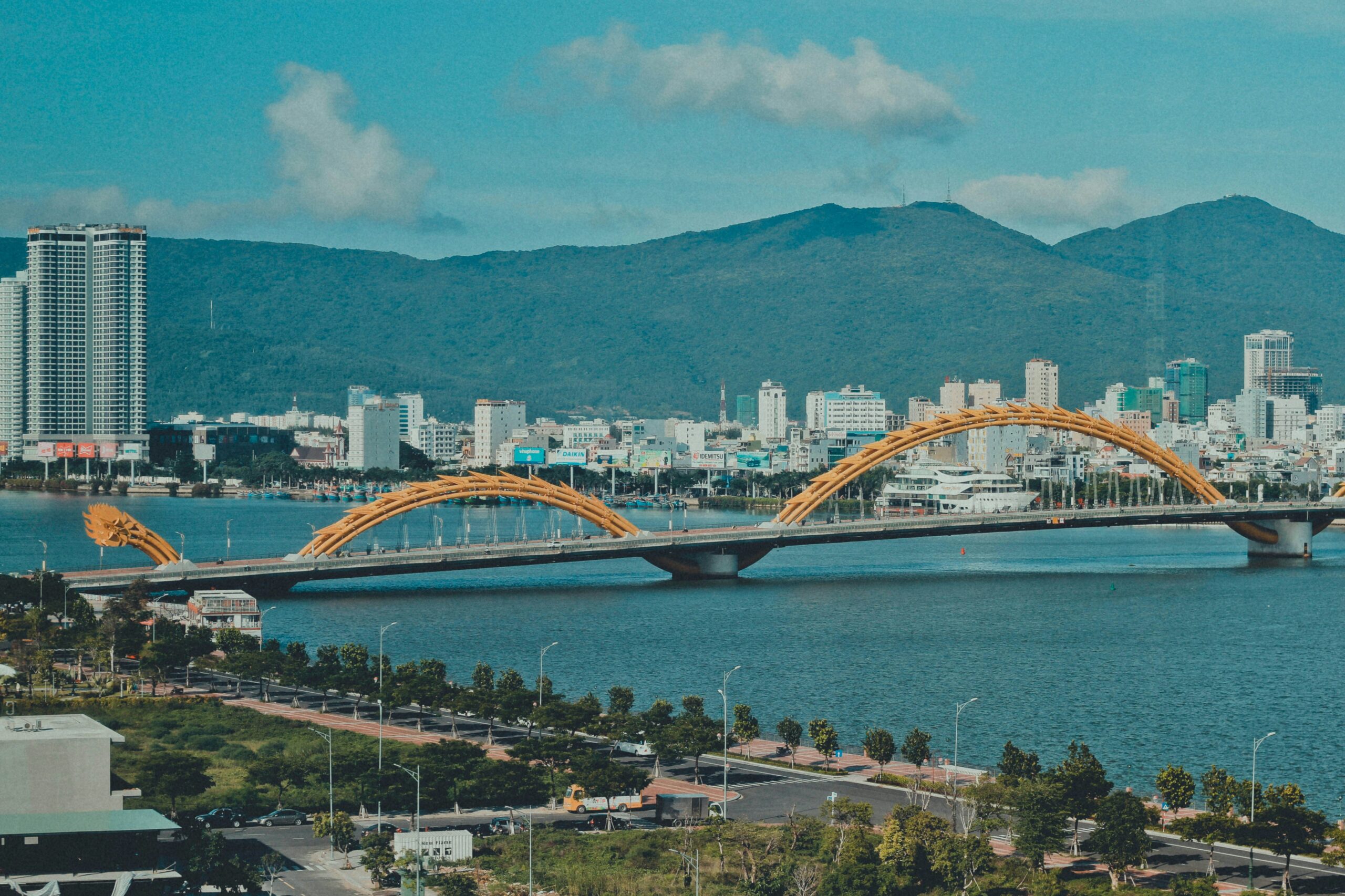
Da Nang: Central Vietnam’s premier port for home textiles. Close proximity to Thanh Ha textile cluster makes it the ideal choice for organic fabric sourcing.
Southern Region: Ho Chi Minh City (Saigon) Port
Location: Ho Chi Minh City (Saigon), Southern Vietnam. Largest and busiest port in Vietnam. Serves factories across South Vietnam (furniture, ceramics, textiles, electronics).
Factory-to-Port Distance: 50-300+ km depending on factory. Binh Duong (furniture hub) is ~35 km away. Can Tho (Mekong Delta) is ~300 km away. Average: 120 km.
Domestic Trucking Cost (FOB): $300-$1,000 per 20ft container depending on distance. Binh Duong factories: $300-$500. Mekong Delta factories: $800-$1,200.
Port Efficiency: Massive container volume (Vietnam’s largest port). Congestion is common, especially during peak season (July-September). Average turnaround: 3-5 days from truck arrival to ship loading. Peak season can extend to 7+ days.
Ocean Freight (20ft Container):
- To US West Coast: $1,300-$1,600
- To US East Coast: $1,900-$2,200
- To Australia: $1,100-$1,350
Lead Time (Factory to Departure): 25-35 days from order confirmation to ship departure (production 15-20 days + 5-15 day trucking/port, depending on factory distance and port congestion).
Best for: Furniture, ceramics, and electronics importers. Large shipments benefit from Ho Chi Minh City’s high frequency of lines and competitive ocean freight. BUT: Avoid if your factory is in the Mekong Delta—trucking costs eat margins. Also avoid during peak season unless you can absorb congestion delays.
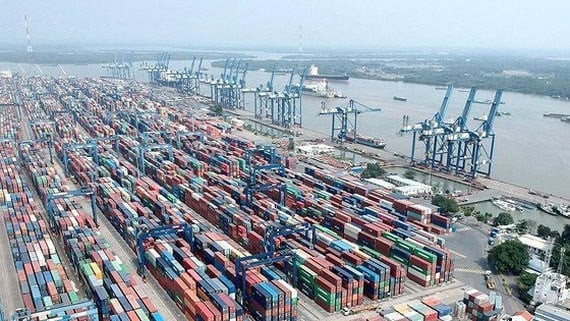
Ho Chi Minh City Port: Vietnam’s largest container port. High volume and frequent shipping lines, but congestion risk during peak season.
Factory-to-Port Distance: The Hidden Cost Variable
Factory location relative to its nearest port is the single largest variable most importers overlook. A factory 20 km from a port costs dramatically less than a factory 250 km away.
Trucking Cost Breakdown (Per 20ft Container)
| Distance from Factory to Port | Trucking Cost | Transit Time | Port Handling (added time) | Total Timeline Impact |
|---|---|---|---|---|
| 20-50 km (Very Close) | $200-$300 | 1-2 hours | 2-3 days | 3-5 days total |
| 50-150 km (Close) | $300-$600 | 3-5 hours | 2-3 days | 5-8 days total |
| 150-250 km (Medium) | $600-$900 | 6-10 hours | 2-3 days | 8-13 days total |
| 250+ km (Far) | $900-$1,500 | 12+ hours (overnight) | 3-5 days (congestion risk) | 15-20 days total |
Cost Impact Example: You source from a Thanh Ha textile factory (50 km from Da Nang) vs. a textile factory in Binh Duong (120 km from Ho Chi Minh City).
- Thanh Ha to Da Nang: $300 trucking + 5 day timeline
- Binh Duong to Ho Chi Minh City: $600 trucking + 8 day timeline
- Difference: $300 extra cost + 3 extra days
On a 5,000-unit order, that $300 difference = $0.06 per unit—seemingly small. But if you’re sourcing 10,000 units monthly, that’s $600/month or $7,200/year in unnecessary trucking costs. Timeline matters too: 3 extra days means slower inventory turnover and slower customer fulfillment.
Total Shipping Cost Breakdown: What You Actually Pay
Here’s a realistic example: 5,000 units of organic bedding, 20ft container, FOB terms to USA West Coast.
Scenario 1: Thanh Ha (Central Vietnam) → Da Nang Port → USA
| Cost Component | Amount | Notes |
|---|---|---|
| Factory FOB price (5,000 units @ $2.75/unit) | $13,750 | Includes factory cost + domestic shipping to Da Nang |
| Ocean freight (20ft to US West Coast) | $1,500 | Typical for 20ft container from Da Nang |
| Customs brokerage (USA) | $400 | Documentation & port clearance |
| Port fees (USA) | $300 | Drayage & terminal handling |
| Insurance (optional but recommended) | $200 | 2% of shipment value |
| Total Landed Cost | $16,150 | $3.23 per unit |
Scenario 2: Far Factory (250km from Ho Chi Minh City) → Ho Chi Minh Port → USA
| Cost Component | Amount | Notes |
|---|---|---|
| Factory FOB price (5,000 units @ $2.75/unit) | $13,750 | Factory quotes same FOB, but includes long-distance trucking |
| Demurrage fees (extra port time) | $600 | Port congestion delays, shipping containers held longer |
| Ocean freight (20ft to US West Coast) | $1,400 | Slightly cheaper than Da Nang, but offset by demurrage |
| Customs brokerage (USA) | $400 | Same as Scenario 1 |
| Port fees (USA) | $300 | Same as Scenario 1 |
| Insurance | $200 | Same as Scenario 1 |
| Total Landed Cost | $16,650 | $3.33 per unit |
Difference: Thanh Ha saves you $0.10 per unit (3% of landed cost). On 5,000 units, that’s $500. On 50,000 units annually, that’s $5,000. Small margins in sourcing compound fast.
Ocean freight and port fees are only part of your landed cost. See Calculating Landed Costs for Vietnam Sourcing for how duties, taxes, and the rest of the cost stack add up.
Peak Season & Port Congestion: Timing Matters
Vietnam’s ports experience seasonal congestion, especially August-October (peak holiday shipping season in the West). This adds cost and delays.
Peak Season Impact (August-October):
- Trucking to ports may take 7-10 days instead of 3-5 days (capacity shortage).
- Port handling extends from 2-3 days to 5-7 days (long queues).
- Demurrage fees increase (containers held longer). Cost: $100-$300 additional per container.
- Ocean freight rates spike 10-15% during peak season.
- Total timeline stretches by 7-10 days.
Off-Season Impact (November-April):
- Trucking is fast (2-4 days).
- Port handling is quick (2-3 days).
- Ocean freight rates are stable and lower.
- Demurrage is rare.
- Timeline is predictable.
Strategy: If possible, schedule large shipments for off-season (Nov-April). Peak season is fine for small shipments or if you can absorb delays. Plan your production and ordering to avoid peak season squeeze if you’re time-sensitive.
Hidden Fees: What Most Importers Miss
Beyond FOB price and ocean freight, there are often-overlooked costs:
Demurrage: Port fees for containers held beyond free-time window (usually 5-7 days). Cost: $30-$100 per day. If your container sits for 10 extra days, that’s $300-$1,000 added cost.
Port Wharfage: Fee charged by the port for cargo handling. Usually $100-$300 per container. Included in some FOB quotes, charged separately in others.
Bill of Lading Fees: Documentation fee charged by shipping line. Usually $50-$100.
Origin Port Fees: Cargo handling at Vietnamese port. Usually $200-$400 per container, sometimes included in FOB, sometimes separate.
Seal/Inspection: If cargo requires inspection (compliance audits), cost: $200-$500 per container.
Customs Clearance (Vietnam): Usually covered under FOB, but some factories charge extra: $100-$300.
Choosing the Right Port for Your Factory
If your factory is in Central Vietnam (Thanh Ha textile cluster, Hoi An region): Use Da Nang Port. Lowest trucking costs, excellent textile handling, and competitive ocean freight. Lead time: 23-28 days. Recommended for organic fabrics and home textiles.
If your factory is in Northern Vietnam (Hanoi, Red River Delta): Use Haiphong Port. Moderate trucking costs, good port efficiency. Lead time: 25-30 days. Recommended for textiles and apparel.
If your factory is in Southern Vietnam (Binh Duong, nearby regions): Use Ho Chi Minh City Port. Good option if factory is within 50-80 km of port. Beyond that, trucking eats margins. Lead time: 25-30 days (non-peak) or 30-35 days (peak season).
If your factory is remote (Mekong Delta, far from any port): Reconsider sourcing. Trucking costs will be 15-25% of your FOB price. Either negotiate a significant FOB reduction (to absorb trucking), or source from a factory closer to a port.
Your Action Plan: Avoiding Shipping Surprises
- Ask the factory three questions upfront:
- “Which port do you use for exports? (Haiphong, Da Nang, or Ho Chi Minh City?)”
- “How far are you from that port (in km)?”
- “Does your FOB price include trucking to the port and Vietnam-side port documentation?”
- Verify the factory location: Use Google Maps. Measure distance to the nearest port. If it’s 200+ km away, flag it as a risk.
- Request an itemized FOB breakdown: Factory should provide: factory cost + packaging + loading + trucking + port fees. If they refuse, they’re hiding costs.
- Confirm FOB terms in writing: Make sure your purchase agreement specifies “FOB [Port Name]” and lists exactly what’s included.
- Get a freight quote independently: Don’t rely solely on the factory’s freight forwarder. Get quotes from 2-3 forwarders for your specific destination. Compare total cost, not just ocean freight.
- Budget for peak season: If ordering Aug-Oct, add 10-15% to your timeline estimate and budget $300-$600 extra for demurrage/congestion.
- Plan a follow-up visit: Once you’ve signed an agreement, schedule a factory visit. Confirm the factory location, tour the trucking logistics, and meet the freight coordinator. This prevents miscommunication later.
Bottom Line: Port Choice Matters More Than You Think
Choosing the right factory means understanding its port ecosystem. A factory 50 km from a major port is worth a 5-10% FOB price premium over a factory 250 km away. Lead time predictability, trucking costs, and demurrage risk all compound. The most profitable sourcing decisions account for total landed cost—not just FOB price. Vietnam’s three port regions offer distinct advantages. Match your factory to the right port, verify shipping terms upfront, and you’ll eliminate the hidden cost surprises that derail margins for unprepared importers.
Tags: Vietnam shipping | FOB terms | EXW explained | Da Nang port | Haiphong port | Ho Chi Minh City port | Trucking costs | Container shipping | Import logistics | Vietnam sourcing
Not sure where to start? See how our Vietnam sourcing solutions work, from supplier identification to quality assurance.
Learn more about this topic on our podcast!
Want to dive deeper into this subject? Check out our latest podcast on this subject on Spotify, where we explore this topic and so much more! Whether you're on the go or relaxing at home, tune in for insights, tips, and discussions that bring our blog topics to life.




Vietnam vs Bangladesh: Organic Cotton, Hemp & Ramie for Home Textiles—Complete Sourcing Comparison

Leave a comment
Your email address will not be published. Required fields are marked *