





Sourcing in Da Nang and Central Vietnam: The Rising Alternative to HCMC and Hanoi
November 1 2025 – 14 min read
You’re planning your first factory visit to Vietnam. Your sourcing agent books you a trip to Ho Chi Minh City—the obvious choice, they say. Largest port, most factories, everything you need. You arrive to traffic jams, 40°C heat, and crowded ports with 7-day container queues. Your factory meeting is 2 hours away from the airport. You spend 70% of your trip commuting, 30% actually doing business. Meanwhile, a smarter alternative exists 500 km north: Da Nang and Central Vietnam. Less congestion, lower labor costs, faster port times, direct international flights, and—this is the kicker—genuinely enjoyable factory visits.
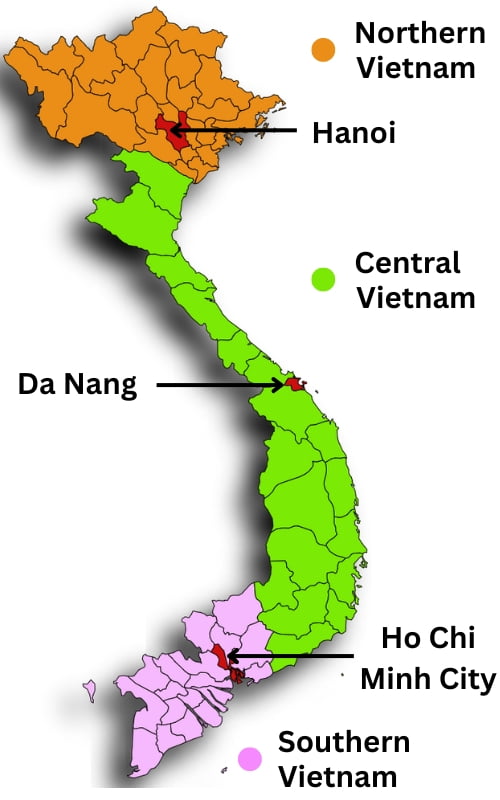
Vietnam’s three economic regions: Northern (Hanoi), Central (Da Nang), and Southern (HCMC). Central Vietnam is experiencing fastest growth with lowest operational friction.
Why Central Vietnam Now? The Market Shift
For decades, Vietnam’s sourcing gravity centered on Ho Chi Minh City. But by 2024-2025, that advantage has become a liability. HCMC’s ports are chronically congested. Labor costs have risen 25-30% in five years. Land prices have tripled. Overcrowding means 3-4 hours of commuting per day. Meanwhile, Central Vietnam—anchored by Da Nang—has emerged as the operational sweet spot. Lower costs, faster logistics, less congestion, better quality of life during trips, and a genuinely growing manufacturing ecosystem. The smart money is shifting north.
The Three Regions: A Direct Comparison
| Factor | Northern Vietnam (Hanoi) | Central Vietnam (Da Nang) | Southern Vietnam (HCMC) |
|---|---|---|---|
| Labor Cost (monthly wage) | $200-$250 | $180-$220 | $220-$280 |
| Port Congestion Risk | Moderate | Low | High (chronic) |
| Container Queue Time | 3-5 days | 2-3 days | 7-10 days |
| Factory Commute from Airport | 2-4 hours | 30-90 minutes | 1.5-3 hours |
| Traffic/Congestion | Very High | Low-Moderate | Extreme |
| Tourism Appeal | Limited | Excellent (beaches, Hoi An) | Moderate |
Strategic Insight: HCMC is largest, but Central Vietnam is smartest. Get 80% capacity with 60% operational headaches.
Central Vietnam’s Industries: What’s Made Here
Apparel & Textiles (Thanh Ha, Vinh Long)
Home to Vietnam’s largest concentration of organic fabric mills and sustainable textile manufacturers. 200+ mills across region. MOQs 150-300 units (vs. 300-500 HCMC). Labor costs 10-15% lower than HCMC.
Light Manufacturing & Electronics
Da Nang and Quang Nam attracted significant investment in consumer electronics, small appliances, components. Quality standards high. Factories hungry for volume, flexible on terms.
Home Goods & Furniture (Emerging)
Building capability in home decor, ceramics, wooden products. Lower land costs = competitive pricing. Favors Da Nang to Australia shipping.
Handicrafts & Artisanal Products (Hoi An)
Hoi An, 30 km south, is global center for handmade goods. Lacquerware, wood carvings, textiles. Perfect for premium artisanal sourcing.
Labor Costs & Workforce Quality
Central Vietnam labor 10-20% lower than HCMC with equal or better quality. Younger, less saturated workforce. Factories compete on quality to attract workers.
Wage Comparison (2025): Hanoi $200-$250 | Da Nang $180-$220 | HCMC $220-$280
50,000-unit annual order saves significant production labor costs via Da Nang wage advantage.
Port Advantage: The Game-Changer
Da Nang’s advantage is efficiency, not size. HCMC 50+ ships daily with queues. Da Nang 10-15 ships with zero congestion.
Port Performance: HCMC 7-10 days average (peak 15+ days). Da Nang 2-3 days average (peak 3-4 days). Wednesday departure Da Nang reaches port before HCMC clears queue.
Expansion: Da Nang investing $2+ billion through 2028. Capacity doubles by 2027. Becomes second-largest Vietnam port.
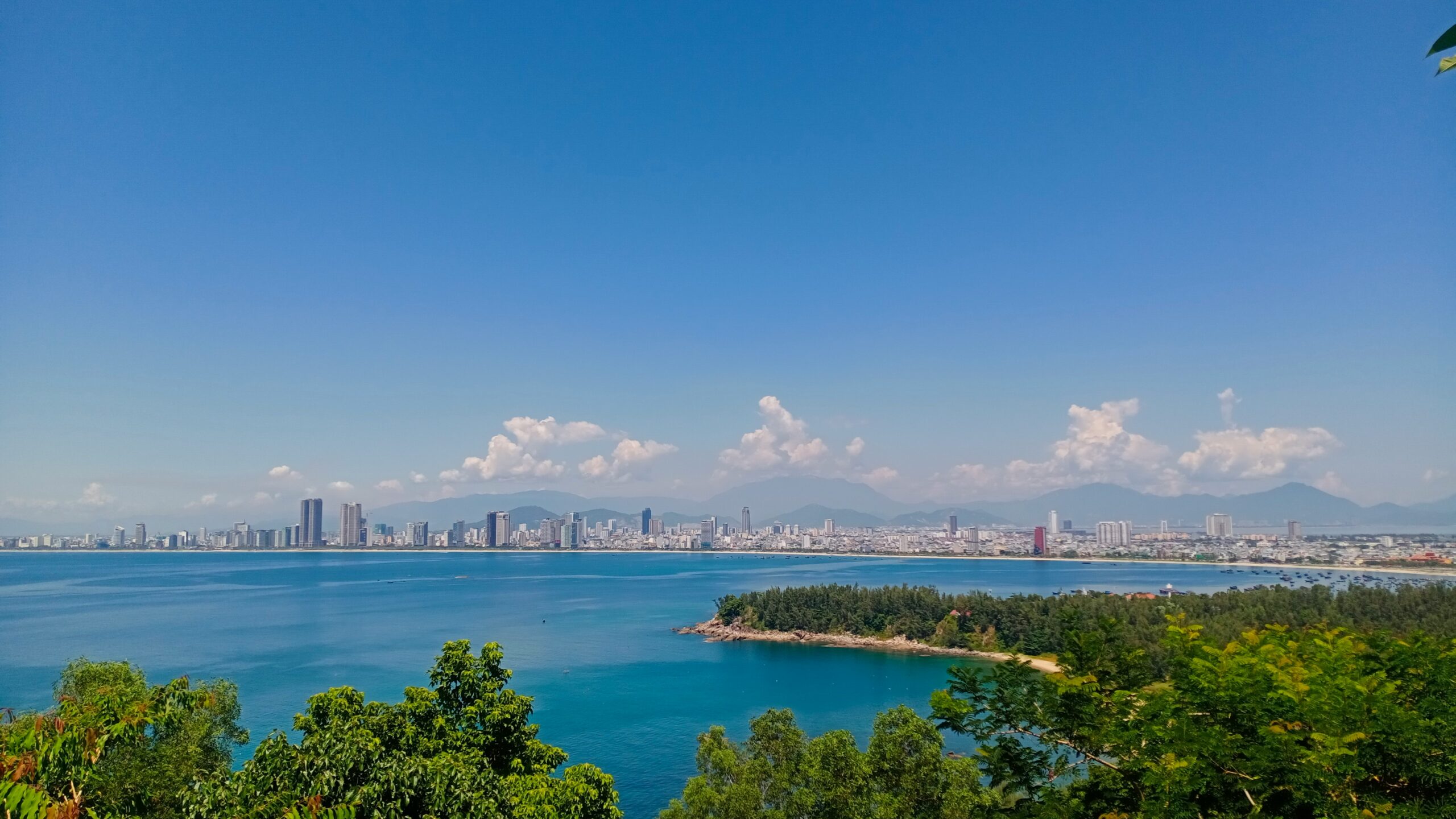
Da Nang: Modern, growing, efficiently positioned. Direct flights, expanding port, zero harbor congestion.
International Airfreight & Accessibility
Da Nang International Airport (DAD) direct flights to Bangkok, Singapore, South Korea, increasingly US. Airfreight more cost-effective than HCMC due to shorter flight times and less congestion.
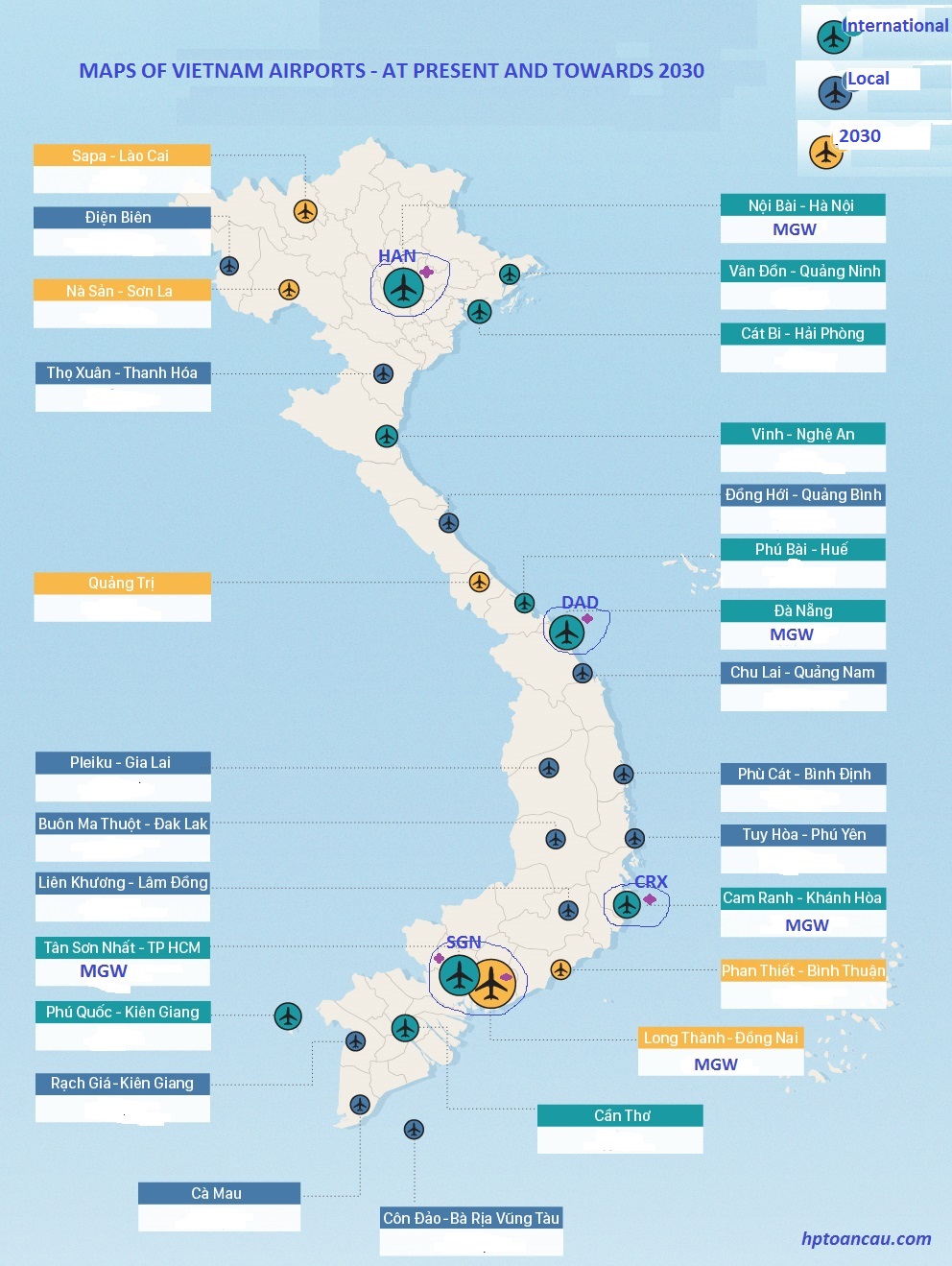
Vietnam’s aviation network. Da Nang International Airport (DAD) marked as international gateway.
Strategic advantage: Brands test factories faster with quicker sample turnaround, reducing time-to-market compared to HCMC sourcing.
Getting There: Affordable Ground Transportation
Central Vietnam transportation affordability is major underrated advantage. Unlike HCMC/Hanoi premium taxi rates, Da Nang offers exceptional value.
Private driver hire for factory sourcing trips is affordable and includes: Airport pickup/dropoff, Factory cluster navigation (Thanh Ha, Vinh Long, Hoi An), Flexible scheduling (factories 30-90 minutes apart), Cultural and logistical translation support.
Compared to HCMC’s expensive taxi services, Da Nang offers significantly more economical options for sourcing trip logistics. Savings can be reallocated toward building stronger factory relationships or team experiences.
The Supplier Trip Experience: Business Plus Pleasure
Sourcing Central Vietnam genuinely enjoyable. Teams sharper in beautiful places. Factory relationships improve without traffic exhaustion.
Sample 4-Day Itinerary:
- Day 1: Arrive Da Nang. Driver meets you. First factory morning. Two additional visits afternoon. Evening Da Nang.
- Day 2: Multiple factories Thanh Ha textile cluster. Lunch at factory restaurant. Depart Hoi An afternoon. UNESCO old town evening.
- Day 3: Morning: Hoi An artisanal factories (lacquerware, silk). Afternoon: Team relaxation (beach, shopping). River dinner evening.
- Day 4: Optional factory or rest. Depart afternoon.
Result: 6-8 factory visits completed. Genuine supplier relationships built. Team returns with energy and ideas instead of exhaustion.
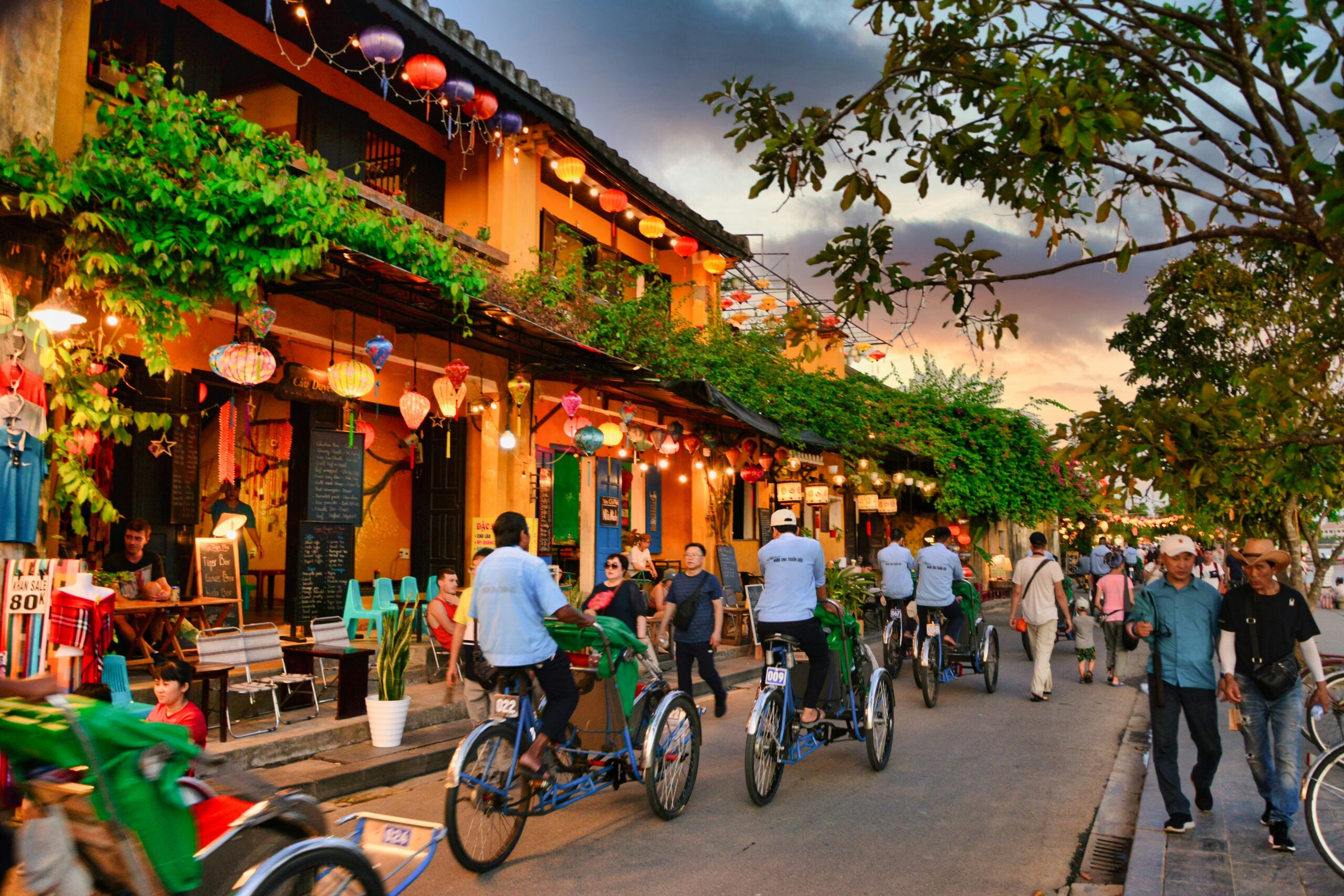
Hoi An: 30 km from Da Nang factories. UNESCO site perfect for post-factory team decompression.
Central Vietnam Export Growth: 10-Year Data
| Year | Port (Million TEU) | Exports (B USD) | Growth | Driver |
|---|---|---|---|---|
| 2015 | 0.8 | $4.2 | — | Expansion began |
| 2018 | 1.8 | $6.3 | +15% | China trade war |
| 2020 | 2.6 | $8.1 | +12% | COVID supply shift |
| 2022 | 3.7 | $11.4 | +16% | China alternative |
| 2024 | 4.8 | $15.1 | +14% | Tariff advantage |
| 2025 | 5.4 | $17.3 | +15% | Port expansion |
Key Insights:
- CAGR 2015-2025: 15.8% — Growing 3x faster than HCMC
- Port +575% without congestion — Scaling-without-overcrowding story
- Manufacturing diversified: Textiles 35%, Electronics 25%, Home goods 18%
- Tariff advantage structural: CPTPP and RCEP locked through 2028+

The scenic drive between Da Nang, Thanh Ha, and Hoi An improves team morale and creativity.
Vietnam Direct Sourcing: Based in Da Nang
VDS headquarters in Da Nang (Bạch Đằng, Hải Châu) is strategic. Embedded here. Know mills personally. Understand labor dynamics. Navigate ports daily. Part of regional ecosystem.
Why This Matters: Local intelligence real-time. Supplier relationship leverage. Fast problem-solving (nearby). Negotiation credible (we live here). Trip logistics simplified (we manage everything).
Your Action Plan
- Schedule 3-4 day Central Vietnam trip. Experience advantage. Visit Thanh Ha textile mills. See pace difference vs. HCMC.
- Compare total landed costs. Get quotes HCMC vs. Da Nang. Include all fees.
- Calculate team time value. HCMC = 2 days traffic. Da Nang = 3.5 days productive.
- Plan Hoi An element. 1-2 days post-sourcing team decompression.
- Connect with VDS. We’re based here. We’ll show regional advantage firsthand.
Bottom Line: Sourcing Shift Happening Now
HCMC obvious 2010-2018. By 2025, smart money shifted north. Lower labor, faster ports, less congestion, better experience, growing ecosystem, tariff advantages, affordable logistics make Da Nang strategic destination. Brands getting best deals aren’t going to HCMC anymore. Question is not if Central Vietnam viable—it’s why still sourcing HCMC.
Tags: Da Nang sourcing | Central Vietnam manufacturing | Thanh Ha cluster | Vietnam alternative HCMC | Export growth | Port efficiency | Sourcing logistics
Learn more about this topic on our podcast!
Want to dive deeper into this subject? Check out our latest podcast on this subject on Spotify, where we explore this topic and so much more! Whether you're on the go or relaxing at home, tune in for insights, tips, and discussions that bring our blog topics to life.



Shipping from Vietnam 101: Navigating Northern, Central & Southern Ports and FOB Terms

Leave a comment
Your email address will not be published. Required fields are marked *